Nvidia CEO Jensen Huang Linked to Alleged Chinese Espionage Operation, U.S. Intelligence Report Says
Friday 30/October/2026 - 02:15 PM
Ahmed Seif El-din
Nvidia CEO Jensen Huang has emerged as a potential target of a Chinese intelligence operation after U.S. spy agencies reportedly identified a business executive with access to him as an intelligence source for Beijing. The findings, disclosed in an October 29, 2026, investigation by The New York Times, have raised questions about national security, American semiconductor exports, and President Donald Trump's handling of sensitive intelligence.
According to officials familiar with classified surveillance, Alice Huang, also known as Huang Le, a Chinese businesswoman previously associated with Singapore-based data center company Megaspeed, was assessed by American intelligence agencies to be providing information to China.
The reported discovery attracted particular concern because of her relationship with Jensen Huang, whose company produces advanced artificial intelligence chips central to the technological competition between Washington and Beijing.
President Trump was briefed on the findings approximately a year ago but did not publicly intervene, according to the report. The reasons for that decision remain unclear.
U.S. Intelligence Raises Concerns Over Nvidia CEO's Connections
American intelligence agencies were already examining whether Alice Huang had helped Chinese companies circumvent restrictions on advanced Nvidia semiconductor technology.
Surveillance reportedly revealed that she had developed a relationship with Nvidia CEO Jensen Huang, creating concerns that Chinese intelligence could potentially gain information about Nvidia's business operations or American technology policy.
Officials familiar with the investigation said intelligence agencies concluded that Alice Huang was passing information to Beijing.
However, the specific information allegedly transmitted, its intelligence value, and the circumstances surrounding her reported activities have not been publicly established.
There is also no publicly presented evidence that Jensen Huang knowingly provided sensitive information to Chinese intelligence.
Officials initially believed he was unaware of Alice Huang's alleged intelligence activities, although some senior administration figures later questioned whether he could have remained uninformed.
The surveillance reportedly continues.
Trump Administration Faces Questions Over Intelligence Response
The case has generated scrutiny of the Trump administration's response to the reported intelligence findings.
According to the original investigation, Trump received a briefing about the matter but took no apparent action against the individuals or businesses involved.
The president has sought to balance national security restrictions with economic considerations, including Nvidia's substantial contribution to the American technology sector and stock market.
His administration has also pursued improved trade relations with China while reconsidering restrictions on semiconductor exports.
Officials familiar with the matter said Nvidia CEO Jensen Huang had not received a defensive intelligence briefing, a warning sometimes provided to Americans believed to be targeted by foreign intelligence services.
It remains uncertain whether authorities withheld such a warning to protect ongoing surveillance or for another reason.
The White House, CIA, and National Security Agency declined to comment on the allegations.
Nvidia Denies Improper Conduct or Security Breaches
Nvidia rejected suggestions that its relationship with Megaspeed involved improper business practices or the disclosure of sensitive information.
Company spokesman John Rizzo said Jensen Huang regularly meets customers and technology executives worldwide as part of his responsibilities.
Nvidia maintained that Megaspeed received routine commercial information rather than confidential trade secrets or national security intelligence.
The company also said it had previously investigated allegations that Megaspeed was smuggling advanced chips into China and found those claims unsupported.
Nvidia has consistently maintained that it complies with applicable export laws.
Megaspeed separately announced that it had retained outside legal counsel to investigate the allegations and would cooperate with U.S. authorities.
The company also emphasized that the accusations should be examined through a formal, evidence-based process.
Alice Huang did not respond to requests for comment, according to the original report.
The Chinese Embassy in Washington rejected the allegations, with spokesman Liu Chang accusing the United States of making unfounded accusations against China.
Megaspeed Investigated Over Advanced AI Chip Exports
The intelligence concerns emerged alongside an existing investigation into Megaspeed's acquisition and use of advanced American computing equipment.
The U.S. Commerce Department began examining the company in late 2024 after an official visited a data center in Malaysia and reportedly found Nvidia equipment still packed in shipping boxes rather than installed.
The observation raised questions about whether the equipment was intended for use at the facility or possible onward shipment.
Megaspeed operates as an intermediary, purchasing Nvidia-powered computing equipment and providing data center services to Chinese technology companies.
Its customers have included Alibaba, according to the report.
American authorities have expressed concern that some Southeast Asian data center operations could enable Chinese companies to access restricted computing capabilities without directly importing prohibited equipment.
Such arrangements are not necessarily illegal, but officials have questioned whether they undermine the purpose of U.S. export controls.
Billions of Dollars in Nvidia-Related Equipment
Trade records obtained through ImportGenius reportedly showed that a Malaysian company affiliated with Megaspeed purchased at least $4.8 billion in advanced AI equipment containing Nvidia technology between June 2024 and February 2026.
The scale of those purchases attracted attention because Megaspeed was relatively little known in the global semiconductor industry.
Investigators suspect that some equipment purchased through the company's network may have entered China unlawfully.
However, those suspicions remain distinct from proven violations.
The Commerce Department investigation was reportedly transferred to the Justice Department in 2026.
Singaporean authorities also questioned Alice Huang in 2025 before releasing her.
How U.S. Chip Restrictions Affect China
The United States has restricted exports of certain advanced Nvidia chips to China since 2022, citing concerns about military applications and the strategic importance of artificial intelligence.
The restrictions form part of a broader effort to maintain American leadership in advanced computing.
While some companies have illegally transported restricted chips across borders, others have established data centers outside China that legally provide computing services to Chinese customers.
The Biden administration introduced restrictions intended to address such arrangements.
Trump subsequently rolled back some of those measures, although officials have considered whether additional controls are necessary.
Megaspeed reportedly purchased equipment through the American operations of Inspur, a Chinese server manufacturer whose parent company has been placed on a U.S. trade blacklist.
The American subsidiary itself has not been subject to the same sanctions, according to the report.
These distinctions illustrate the complexity of semiconductor supply chains and the challenges authorities face when regulating international access to advanced AI technology.
Jensen Huang's Growing Influence in Washington
The reported intelligence concerns coincide with Nvidia CEO Jensen Huang's increasingly prominent role in American technology policy.
Before 2025, Huang maintained a relatively limited political presence in Washington.
During Trump's second administration, however, he developed a closer relationship with the president while advocating changes to AI regulations and restrictions on chip sales to China.
Huang and his wife attended a dinner at Trump's Mar-a-Lago residence as the administration considered additional semiconductor export restrictions.
Nvidia later reportedly contributed at least $20 million toward Trump's White House ballroom project and announced plans to invest $500 billion in American manufacturing.
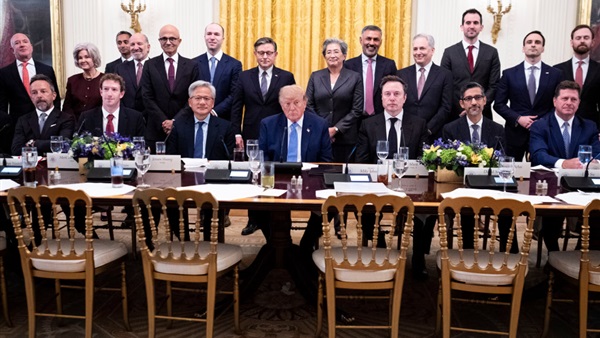
Huang also attended a White House state dinner for Chinese President Xi Jinping in September 2026.
Semiconductor Sales Become a Trade Policy Flashpoint
Trump previously approved exports of an older generation of Nvidia chips to China under an arrangement involving a 25% government share of revenue from certain permitted sales, according to the report.
Huang subsequently advocated allowing exports of more powerful technology.
The proposal generated resistance among some administration officials and Republican lawmakers concerned about China's military and technological capabilities.
Trump ultimately declined to authorize the additional sales.
Current and former officials nevertheless suggested that the relationship between Huang and the president had complicated some proposed restrictions and investigations involving Nvidia's international business.
Those accounts do not establish that Nvidia received unlawful preferential treatment.
Alice Huang's Business Relationships Under Scrutiny
The precise origins of Alice Huang's relationship with Jensen Huang remain unclear.
Photographs published online showed them attending a technology-related gathering in Taipei in June 2024 alongside other industry executives.
They were also seen together following a business dinner in May 2025.
According to the original investigation, Alice Huang had worked in Chinese banking and investment circles before becoming involved with Megaspeed.
She was reportedly associated with Hexi Capital, a Shanghai-based investment firm with interests in semiconductor and artificial intelligence businesses.
Individuals familiar with her activities said she and her associates promoted her connections to Nvidia's leadership while seeking investors and expanding their commercial operations.
Megaspeed's corporate records initially listed her in a senior management position, although her formal role later changed.
A person familiar with the company's operations said she had become less active following American investigations.
None of these reported business relationships independently establishes espionage or knowledge of intelligence activities by other executives.
New Malaysian Data Center Development Continues
Despite ongoing scrutiny, Megaspeed and its affiliates have continued expanding their operations in Southeast Asia.
The company is developing a major data center project in Johor, Malaysia, near the Singapore border.
A Malaysian property developer reportedly confirmed receiving final payment for a 53-acre site designated for the project.
Construction activity was visible at the location during a recent visit by a New York Times journalist.
A person familiar with the development said the company had already secured the computing equipment required for the expansion.
Megaspeed also continued advertising its relationship with Nvidia, while the chipmaker maintained the company on its list of cloud partners.
These developments suggest that commercial activity has continued even as American authorities investigate possible violations.
Nvidia Espionage Allegations Highlight Wider U.S.-China Technology Rivalry
The reported intelligence findings illustrate the growing intersection of commercial relationships, advanced technology, and national security.
For Washington, the central challenge is preventing sensitive computing capabilities from strengthening China's military and intelligence operations without unnecessarily damaging American companies.
For Nvidia, the controversy raises questions about customer screening, international supply chains, and the security implications of relationships involving influential executives.
For the Trump administration, the matter presents a test of how economic and diplomatic priorities are balanced against intelligence warnings.
Several essential questions remain unanswered, including what information Alice Huang allegedly provided to Beijing, whether it involved Nvidia or American government policy, and why Jensen Huang was not reportedly warned.
The Nvidia CEO Jensen Huang intelligence controversy remains based on reported classified assessments rather than publicly disclosed evidence or judicial findings. Neither Huang nor Nvidia has been shown in the supplied reporting to have knowingly participated in espionage.
As Washington and Beijing continue competing for leadership in artificial intelligence, the investigation underscores the difficulty of separating global technology commerce from national security concerns.