Arab Voters in Israel Celebrate Historic Election Gains but Face Uncertain Political Future
Friday 30/October/2026 - 10:07 AM
Ahmed Seif El-din
Arab voters in Israel are celebrating unprecedented parliamentary gains following the 2026 elections, with high turnout in the predominantly Arab town of Taibe reflecting growing demands for political representation, equality, and change. Yet uncertainty remains over whether the electoral success of Arab-led parties will translate into meaningful influence in Israel's next government.
Historic Election Results Spark Celebrations in Taibe
Fireworks illuminated the skies over Taibe, a working-class town in central Israel, as residents celebrated the strong performance of the country's two main Arab-led political parties, Raam and the Joint List.
Together, the parties secured their highest combined representation in the Knesset, Israel's parliament, marking a significant political milestone.
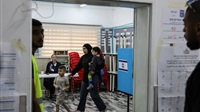
More than 80% of Taibe's residents participated in the election, demonstrating unusually strong political engagement in the town of approximately 47,500 people.
Amir Hajj Yahya, 30, expressed hope that the electoral breakthrough would produce tangible improvements in residents' daily lives.
For many Arab voters in Israel, the election represented an opportunity to challenge Prime Minister Benjamin Netanyahu's governing coalition and demand greater participation in national decision-making.
Political Resistance Raises Questions About Arab Representation
Despite the celebrations, reactions elsewhere in Israel highlighted longstanding divisions over the role of Arab political parties in government.
Several opposition figures rejected the possibility of forming a coalition with Arab-led factions, while television commentators questioned their involvement in decisions concerning national security and foreign policy.
These responses disappointed residents who viewed the election as an opportunity to strengthen political inclusion.
Shadi Hajj Yahya, 34, a truck driver from Taibe, described the opposition's reaction as evidence of discriminatory attitudes toward Arab citizens.
Local lawyer Noreen al-Nashef, 52, similarly questioned whether increased voter participation would ultimately produce meaningful political influence.
The debate underscores a central challenge facing Arab voters in Israel: translating parliamentary representation into effective participation in government.
Crime, Housing Restrictions and Security Drive Voter Concerns
Beyond national politics, residents of Taibe identified several pressing local problems they hope elected representatives will address.
Gun violence remains a major concern in Arab-majority communities, while housing restrictions and demolitions of homes constructed without permits have contributed to frustration.
Local officials argue that obtaining building permits can be difficult, leaving some residents with limited housing options.
Political tensions have also intensified following Netanyahu's campaign statements about Arab participation in the election.
Before the vote, the prime minister alleged, without presenting evidence, that Arab citizens were attempting to interfere with the electoral process.
Many residents said opposition to Netanyahu's policies motivated their participation, alongside concerns about conditions affecting Palestinians in Gaza and the West Bank, including Israeli settler violence.
Joint List Signals Willingness to Negotiate With Opposition
The Joint List, which received most votes in Taibe, has indicated its willingness to negotiate with Israel's main opposition bloc to prevent Netanyahu from remaining in power.
The alliance includes three smaller political factions, among them a Jewish-Arab left-wing movement and a Palestinian nationalist party.
Historically, the Joint List has remained largely outside governing coalitions, limiting its direct influence over national policy.
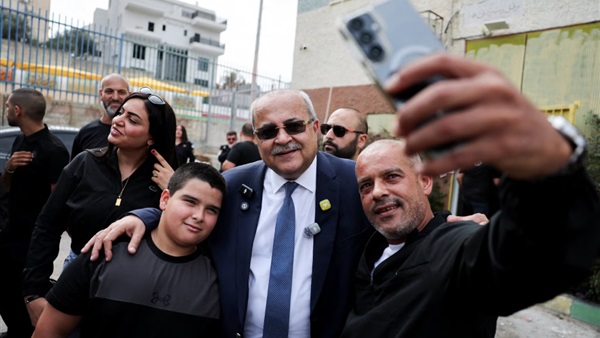
However, veteran lawmaker Ahmad Tibi, 67, who has served in the Knesset since 1999, suggested that the party could consider previously unacceptable compromises to support a change in government.
Although Tibi declined to specify potential concessions, his remarks signaled greater flexibility in coalition negotiations.
Some Taibe residents remain optimistic that opposition leaders may reconsider their positions if Arab lawmakers become essential to establishing a parliamentary majority.
Arab Communities Seek Equality and Lasting Political Change
For residents, the significance of the Arab voters in Israel election turnout extends beyond party politics.
Ashraf Jaber, 51, emphasized the need for safer communities, improved housing opportunities, and an end to violence and war.
He also condemned the October 7, 2023, Hamas-led attack on southern Israel, which triggered the Gaza war, while expressing support for peaceful coexistence between Jewish and Arab communities.
His concerns reflected broader demands for equal rights, public safety, economic opportunity, and dignity.
Although Arab-led parties have achieved a historic electoral breakthrough, their ability to shape government policy remains uncertain as coalition negotiations continue.
The outcome will help determine whether the increased political participation of Arab citizens produces substantive changes or leaves their representatives largely outside the governing process.
For Taibe and other Arab communities across Israel, the election has created renewed expectations—but the challenge now is turning electoral success into lasting political influence.