Abdul El-Sayed and Haley Stevens Feud Rocks Michigan Senate Race Ahead of 2026 Midterms
Monday 02/November/2026 - 01:26 PM
Ahmed Seif El-din
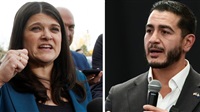
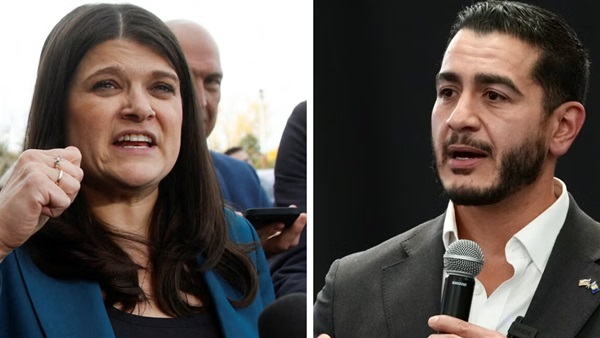
The Abdul El-Sayed and Haley Stevens feud has plunged Michigan Democrats into a bitter political dispute after Stevens endorsed Republican Senate candidate Mike Rogers, abandoning her former primary rival just two days before the November 3 midterm elections.
The unexpected endorsement followed months of tension over U.S. policy toward Israel, disagreements about campaign strategy and increasingly personal grievances. Despite efforts by senior Democrats to reconcile the two politicians, their relationship collapsed publicly over the weekend, threatening party unity during a crucial battle for control of the U.S. Senate.
According to a November 1 report by The New York Times, the breakdown developed through a series of private disagreements, unsuccessful negotiations and public confrontations that culminated in Stevens appearing alongside Rogers at a Detroit church on Sunday.
How the Abdul El-Sayed and Haley Stevens Feud Began
The conflict dates to August, when Abdul El-Sayed narrowly defeated Democratic Rep. Haley Stevens in Michigan's Senate primary.
Although Stevens initially endorsed El-Sayed at a unity breakfast following the election, their cooperation remained limited.
El-Sayed's campaign hired several former Stevens staff members, but Stevens said she received few opportunities to participate in campaign events or offer political advice.
The disagreement deepened in September when Stevens considered publishing an opinion article criticizing Rogers. Text messages reviewed by The New York Times indicated that she initially supported the proposed article before abruptly putting the project on hold on September 30.
By October, tensions between the former rivals had become increasingly difficult for Democratic leaders to contain.
Israel Policy and Antisemitism Dispute Deepen Divisions
Disagreements over Israel were central to the political conflict.
El-Sayed has emerged as a prominent Democratic critic of Israeli government policies, while Stevens has maintained strong support for Israel and close ties to pro-Israel political circles.
The American Israel Public Affairs Committee (AIPAC), which supported Stevens during the primary, spent at least $30 million opposing El-Sayed and increased its spending in October.
Stevens also criticized an advertisement produced by an outside political action committee supporting El-Sayed that connected high grocery prices to U.S. assistance to Israel.
She described the advertisement as antisemitic and demanded that El-Sayed publicly condemn it, apologize for previous comments about Israel and remove a campaign advertisement featuring conservative commentator Tucker Carlson.
El-Sayed initially resisted the demands, arguing that Stevens was reopening disputes from the Democratic primary. He subsequently condemned the outside advertisement but rejected suggestions that his campaign should remain focused on the controversy.
The dispute reflected broader divisions within the Democratic Party over Israel, political advocacy and the influence of major donors.
Democratic Leaders Attempt to Reconcile the Rivals
As the Abdul El-Sayed and Haley Stevens feud escalated, senior Democrats attempted to arrange a public demonstration of unity.
Michigan Rep. Debbie Dingell coordinated with South Carolina Rep. James Clyburn to bring both politicians to a Sunday church event in Detroit.
The gathering was intended to promote Democratic turnout and demonstrate cooperation ahead of Election Day.
Stevens initially agreed to attend, but negotiations deteriorated after she issued another public statement criticizing El-Sayed on Friday.
On Saturday, El-Sayed told reporters that he did not want Stevens participating in the event, citing concerns about distractions from his campaign.
“I don’t want any distractions,” El-Sayed said.
Although Stevens continued privately assuring Democratic allies that she supported the party's Senate nominee, the public rejection reportedly intensified her frustration.
Haley Stevens Endorses Mike Rogers in Surprise Announcement
The political dispute reached its decisive moment on Sunday morning.
Stevens contacted Republican nominee Mike Rogers and arranged to attend a church service with him at Perfecting Church in Detroit.
The two appeared together during the service, surprising Democratic officials who had expected Stevens to continue supporting El-Sayed.
Stevens subsequently announced her endorsement of Rogers on social media and confirmed her decision outside the church.
She argued that El-Sayed had made clear she was no longer welcome in his campaign, leaving her unwilling to continue supporting his Senate bid.
Rogers welcomed the endorsement and said he was honored to receive her support.
The announcement represented a dramatic reversal for Stevens, who had repeatedly described herself as a loyal Democrat committed to supporting the party's candidates.
Democrats Condemn Stevens as Staff Members Resign
The endorsement prompted immediate criticism from Democratic leaders and triggered resignations within Stevens' congressional office.
Senate Minority Leader Chuck Schumer, who had supported Stevens during the primary, described her decision as a “despicable betrayal.”
Maryland Rep. Jamie Raskin said he was “totally blindsided,” having spoken with Stevens on Saturday night and received assurances that she remained committed to the Democratic ticket.
Stevens' longtime chief of staff, Justin German, and several other aides resigned in protest. Michigan Democratic Party Chair Curtis Hertel also publicly distanced the party from Stevens.
Republicans, meanwhile, welcomed the unexpected political advantage. President Donald Trump celebrated the endorsement on social media, describing it as a major development.
The backlash underscored how personal disagreements had escalated into a wider political crisis for Michigan Democrats.
The Washington Post+1
Michigan Senate Polls Show El-Sayed Ahead of Rogers
Despite the turmoil, polling released Sunday by The New York Times and Siena University showed El-Sayed leading Rogers by 11 percentage points.
The survey, however, was conducted before the full consequences of Stevens' endorsement could be measured.
El-Sayed attempted to minimize the dispute, telling reporters that the controversy would not distract him from his campaign.
Democratic strategists remain concerned that the endorsement could weaken party unity, discourage some supporters or influence undecided voters.
Michigan's Senate election is especially important because Democrats are defending the seat being vacated by retiring Sen. Gary Peters.
A Republican victory would make the Democratic Party's path to controlling the Senate more difficult.
What the Political Split Means for Democrats
The Abdul El-Sayed and Haley Stevens feud illustrates a broader struggle within the Democratic Party over foreign policy, ideological differences and relationships between progressive and establishment politicians.
The dispute also raises questions about how political parties manage internal divisions following contentious primary elections.
While Stevens portrays her decision as a response to exclusion from El-Sayed's campaign, critics argue that endorsing a Republican candidate over a personal disagreement places party interests at risk.
The available reporting establishes that disagreements over Israel and campaign participation contributed to the breakdown, but the relative importance of personal grievances and policy differences cannot be determined conclusively.
With Election Day approaching, Michigan Democrats face the challenge of restoring unity while keeping attention on economic concerns and voter turnout.
The final impact of Stevens' endorsement remains uncertain. What is clear is that a months-long political rivalry has become a national controversy at a critical moment in the 2026 midterm elections.