US Blockade of Iran: Military Disables Another Ship as Middle East Tensions Persist
US forces have disabled a merchant vessel in the Gulf of Oman, while renewed violence in Yemen and Gaza and trilateral defense talks in Islamabad highlight continuing regional instability.
The US blockade of Iran has resulted in the disabling of another merchant vessel in the Gulf of Oman, according to US Central Command (CENTCOM). The incident comes amid uncertainty over Washington’s next steps in its conflict with Tehran, declining oil exports through the Strait of Hormuz and continuing diplomatic efforts to prevent further military escalation across the Middle East.
Meanwhile, competing accusations over a deadly strike in Yemen, renewed Israeli attacks in Gaza and defense cooperation between Pakistan, Saudi Arabia and Turkey have underscored the region’s fragile security environment.
US Military Disables Merchant Vessel in Gulf of Oman
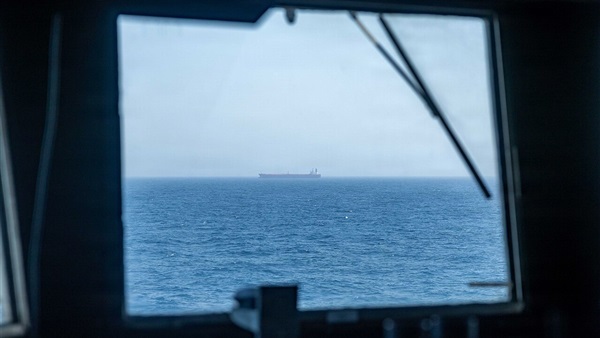
US Central Command announced on Friday, November 27, 2026, that American forces had disabled the Palau-flagged merchant vessel M/V Pacific Archer after it allegedly attempted to breach the naval blockade of Iranian ports.
The military confirmed that the vessel’s propulsion system had been disabled and that its civilian crew remained unharmed.
According to CENTCOM, the Pacific Archer had departed the Iranian port of Bandar Abbas. Maritime tracking platforms listed Singapore as its intended destination.
Iranian navy commander Shahram Irani responded on state television, declaring that Tehran intended to undertake operations to break the blockade and remove hostile military forces from regional waters.
The incident represents another confrontation in the prolonged conflict between Washington and Tehran, which began in late February and has largely remained in a military stalemate over recent months.
US Blockade of Iran Intensifies Pressure on Maritime Trade
The United States initially imposed its blockade of Iranian ports in April. Restrictions were temporarily lifted during negotiations with Tehran before being reinstated in July.
According to the US military, 158 merchant vessels have been redirected since the blockade resumed.
The Pacific Archer is at least the 15th publicly disclosed vessel disabled by American forces since the restrictions began and the sixth since their reinstatement.
The enforcement measures have previously attracted international criticism following fatal incidents involving civilian seafarers.
Indian authorities reported that three Indian sailors were killed during an American military operation involving the Palau-flagged M/T Settebello. The head of the International Maritime Organization (IMO), a United Nations agency, condemned the attack.
CENTCOM maintains that American forces issue repeated warnings before taking military action against non-compliant merchant vessels.
The United States continues to maintain a substantial naval presence in the region, including two aircraft carriers and numerous supporting vessels.
Trump Administration Weighs Further Military Action Against Iran
The latest maritime confrontation comes as President Donald Trump’s administration considers its options in the continuing conflict with Iran.
Earlier in November, regional officials told the Associated Press that Israeli Prime Minister Benjamin Netanyahu was urging Washington either to resume military operations or permit Israel to conduct strikes against Iranian nuclear facilities and missile capabilities.
Meanwhile, officials from Persian Gulf countries, Pakistan and Turkey have intensified diplomatic engagement with senior American officials to prevent renewed hostilities.
Trump has alternated between threatening additional large-scale military action and maintaining that the conflict is effectively over from a military perspective.
The uncertainty surrounding Washington’s intentions continues to complicate regional diplomatic efforts and the outlook for maritime security.
Strait of Hormuz Disruptions Reduce Global Oil Flows
Iran’s Islamic Revolutionary Guard Corps (IRGC) claimed on Friday that two oil tankers had attempted to navigate the Strait of Hormuz without Tehran’s authorization.
According to the IRGC, one vessel encountered a naval mine while the other was forced to turn back. These claims could not be independently verified.
Iranian state media also reported that attempts by tankers to use unauthorized shipping routes had declined significantly in recent days.
Tehran continues to insist that vessels obtain Iranian approval before navigating the strategic waterway.
According to energy consultancy Rystad Energy, oil flows during the first two weeks of November declined by approximately 20 percent to around 13 million barrels per day.
In October, exports had remained close to pre-war levels of between 15 million and 16 million barrels per day.
The decline has been attributed partly to Iranian attacks discouraging commercial tanker movements and reduced oil flows through Saudi Arabia’s pipeline network serving the Red Sea port of Yanbu.
A report by UN Trade and Development (UNCTAD) found that disruptions affecting the Strait of Hormuz, Red Sea, Black Sea and Panama Canal are increasing shipping distances, fuel expenditure, port congestion and commercial uncertainty.
Alternative ports, inland transportation networks and revised logistics arrangements have helped maintain international trade, although at significantly higher costs.
Deadly Yemen Strike Prompts Conflicting Accusations
Renewed violence in southwestern Yemen has generated competing allegations between the Iran-backed Houthi movement and authorities aligned with the internationally recognized Yemeni government.
Anees al-Asbahi, spokesman for the Houthi-run Health Ministry, reported that a strike on a cinema building in Turbah, Taiz province, killed at least 11 people, including children.
The victims reportedly included ice cream vendors and their families who had been living inside part of the building.
Al-Asbahi blamed Saudi Arabia and warned that the reported death toll remained preliminary as rescue operations continued.
However, local authorities in Taiz denied that air operations had taken place in the area and instead accused the Houthis of responsibility for the deadly bombing.
Footage broadcast by the Houthi-controlled al-Masirah television channel showed extensive destruction and rescue workers searching through rubble.
The Associated Press said it could not independently verify the competing allegations or the television footage.
The incident highlights the continuing humanitarian consequences of Yemen’s conflict and the difficulty of establishing responsibility amid conflicting accounts from rival authorities.
Israeli Strikes in Gaza Raise Further Ceasefire Concerns
Palestinian hospital officials reported additional fatalities following Israeli strikes across the Gaza Strip on Friday.
Medical authorities at Shifa Hospital and Nasser Hospital reported casualties in Gaza City, the southern Muwasi area and Jabaliya in northern Gaza.
Among those killed were two men identified by Shifa Hospital as security guards working near a clinic operated by Doctors Without Borders.
The Israeli military said several of its operations had targeted militants but provided no additional details. It also said it was unaware of the reported strike in Jabaliya.
Although the most intense fighting between Israel and Hamas has subsided since the October 2025 ceasefire, continued military operations have resulted in further Palestinian casualties.
Gaza’s Health Ministry maintains records of fatalities, which UN agencies and independent experts generally regard as reliable. However, its published figures do not distinguish between civilians and combatants.
Hamas Claims Senior Negotiator’s Son Survived Israeli Strike
Bassem Naim, a member of Hamas’ political bureau, claimed on Friday that the surviving son of senior Hamas leader and chief negotiator Khalil al-Hayya had escaped an Israeli strike.
Writing on X, Naim alleged that the son and members of his extended family had been targeted.
Health officials at Shifa Hospital reported that a strike on a residential apartment in Gaza City wounded six people, including one critically.
Hamas condemned the incident and accused Israel of repeatedly violating the ceasefire agreement. The Israeli military did not immediately respond to a request for comment.
The alleged targeting follows the death of another of al-Hayya’s sons, Azzam, in an Israeli strike earlier in 2026.
Several senior Hamas figures and members of their families have been killed during the conflict.
Pakistan, Saudi Arabia and Turkey Advance Trilateral Defense Cooperation
Against the backdrop of escalating regional tensions, senior diplomatic, defense and military officials from Pakistan, Saudi Arabia and Turkey held discussions in Islamabad.
The meeting addressed developments across the Middle East, including continuing Houthi attacks against Saudi Arabia.
The talks were conducted under the Joint Mecca Defense Agreement, a trilateral security pact that considers an attack against one participating country an attack against all three.
The agreement was signed in August by Saudi Crown Prince Mohammed bin Salman, Turkish President Recep Tayyip Erdogan and Pakistani Prime Minister Shehbaz Sharif.
Erdogan has since formally approved the agreement, completing Turkey’s ratification process.
Turkey’s 600-seat parliament had previously endorsed the pact despite opposition lawmakers warning that its collective defense commitments could draw the country into regional conflicts and endanger Turkish military personnel.
The latest developments demonstrate the interconnected challenges facing the Middle East. As the US blockade of Iran continues to affect maritime commerce and energy supplies, ongoing violence in Yemen and Gaza and expanding regional defense cooperation underline the urgency of diplomatic efforts to prevent a broader confrontation.