Ukraine’s Laser Air Defence Downs Russian Jet-Powered Drone in Reported First
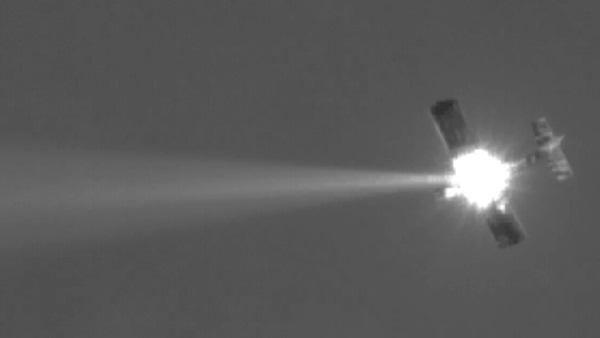
Ukraine’s Blysk laser system has reportedly intercepted a Russian Geran drone in combat, marking a significant development in directed energy weapons and efforts to reduce reliance on costly missile interceptors.
Ukraine’s laser air defence capabilities have reached a reported milestone after a ground-based laser system successfully intercepted a Russian jet-powered drone for the first time, according to a senior military adviser to President Volodymyr Zelensky.
The development comes as Kyiv accelerates investment in alternative air defence technologies amid continued Russian attacks on Ukrainian cities and critical infrastructure, alongside growing shortages of conventional missile interceptors.
Ukraine Deploys Blysk Laser Against Russian Drone
The Blysk air defence system, developed by Carmine Sky, was reportedly used successfully in combat to destroy a Russian Geran unmanned aerial vehicle near an undisclosed critical infrastructure facility.
Serhii “Flash” Beskrestnov, a senior military adviser to the Ukrainian president, announced the interception on Telegram, describing it as a world-first achievement involving a jet-powered Geran drone.
According to Carmine Sky, the system can destroy Shahed-type drones within seconds under suitable operating conditions.
Drone warfare has become a defining feature of the Russia-Ukraine conflict, prompting Kyiv to prioritise the development of directed energy weapons as part of its broader military modernisation strategy.
Government-Backed Programme Advances Laser Air Defence
Ukraine’s laser air defence technology is being developed under the government-backed Private Air Defense programme, with support from the defence technology cluster Brave1.
Approximately 100 Ukrainian companies have joined the initiative, which aims to accelerate military innovation and strengthen the country's defensive capabilities.
Beskrestnov acknowledged that laser technologies remain complex and expensive to develop, despite the encouraging results reported during combat testing.
He also cautioned that it was too early to discuss mass production. The systems remain in the testing phase while being deployed to protect critical infrastructure.
Laser Weapons Offer an Alternative to Costly Missile Interceptors
Directed energy weapons are attracting growing international interest because of their potential to reduce the operational costs associated with conventional air defence systems.
Unlike traditional missile interceptors, laser systems rely on electrical energy and can be used repeatedly, potentially providing a more economical response to sustained drone attacks.
Israel’s Iron Beam represents one of the most prominent examples of high-powered laser technology entering military service. Its reported output and operational range substantially exceed those of Ukraine’s Blysk system.
Although laser weapons are expensive to manufacture, their comparatively low operating costs could make them a valuable addition to existing air defence networks.
Ukraine Faces Growing Air Defence Missile Shortages
The reported interception comes amid mounting pressure on Ukraine’s air defence missile stockpiles as Russia continues targeting urban areas and essential infrastructure.
President Zelensky has warned of a severe shortage of ballistic missile interceptors, arguing that delays in deliveries of US-made Patriot missiles are costing Ukrainian lives.
Speaking to the BBC, Zelensky expressed disappointment over Washington’s increased focus on the Middle East, suggesting that the region was receiving greater military assistance while Ukraine continued to face critical shortages.
The development of laser air defence systems could help Ukraine reduce its dependence on conventional interceptors for certain aerial threats. However, the technology remains complementary to, rather than a replacement for, existing missile defence capabilities.
Weather Conditions Remain a Major Challenge
Despite their potential advantages, laser weapons face significant operational limitations.
Adverse weather conditions, including persistent cloud cover and fog, can reduce their effectiveness.
According to the original report, these conditions prevented Blysk from being tested in combat until this week, despite its deployment within Kyiv’s air defence network since early November.
Such limitations highlight the importance of combining directed energy technology with conventional defensive systems to maintain reliable protection under varying environmental conditions.
Britain Invests in Next-Generation Laser Weapons
Ukraine is not alone in pursuing advanced laser-based military technology.
In December 2025, Britain's Ministry of Defence committed £20 million to developing new laser systems designed to counter drones.
The investment is intended to complement the DragonFire laser weapons scheduled for installation aboard Royal Navy destroyers from 2027.
Ukraine’s reported interception represents a potentially important development in the evolution of modern air defence. Nevertheless, further testing, technological improvements and operational validation will be necessary before laser weapons can be deployed on a wider scale.