



Abdel Rahim Ali: Iran’s Strategic Miscalculations Reshape Middle East Tensions
Sunday 03/May/2026 - 01:56 PM
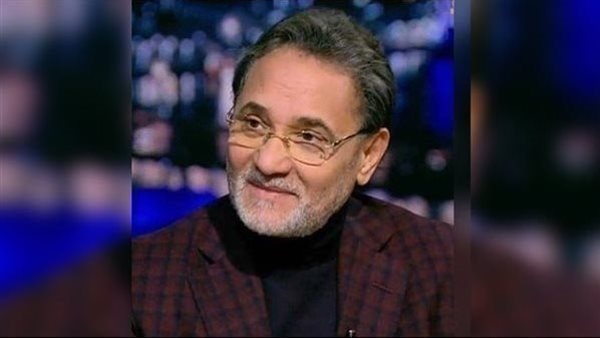
Ahmed Seif El-din
Abdel Rahim Ali said Iran strategic miscalculations have fundamentally altered the balance of power in ongoing Middle East tensions, arguing that Tehran’s pre-war assumptions failed to deliver the intended political or military outcomes.
Ali argued that Iran strategic miscalculations were evident in several key bets, including pressure on Gulf states, strikes on Israeli territory, and the activation of regional fronts such as Lebanon. He said these moves did not force the United States to halt the war, nor did they generate meaningful diplomatic pressure.
He added that attempts to influence global energy flows through the Strait of Hormuz backfired, instead alienating key international actors, including Europe and China. According to Ali, these actions contributed to broader economic isolation and intensified maritime restrictions on Iran.
Supporting Analysis
Ali’s geopolitical analysis suggests that Iran’s assumptions about regional security dynamics underestimated the resilience of US alliances and overestimated the effectiveness of asymmetric pressure tactics. He noted that Gulf countries did not intervene to stop the war, but instead hardened their positions on Iran’s missile and nuclear programs.
He further explained that Israeli domestic shifts, including the strengthening of hardline factions, were indirectly reinforced by Iranian actions, undermining Tehran’s expectations of internal Israeli dissent.
Background Context
The conflict unfolded amid escalating US-Iran relations and ongoing disputes over nuclear development and regional influence. Iran’s reliance on proxy networks and ballistic capabilities has long shaped its political strategy, but recent developments indicate a shift in regional responses.
Ali suggested that Iran strategic miscalculations have expanded the scope of conflict beyond nuclear negotiations to broader regional security concerns. This includes maritime control, proxy disarmament, and new diplomatic alignments.
He concluded that these missteps could lead to more stringent international demands and prolonged geopolitical pressure, reshaping the future of Middle East tensions.
