Ofcom Revokes Lualua TV Licence Over Terrorist Glorification and Iran Propaganda Claims
Britain’s broadcasting regulator has revoked the licence of a London-based television channel following an investigation into content promoting proscribed terrorist organisations and containing anti-Semitic hate speech.
Ofcom has revoked the Lualua TV broadcasting licence after concluding that its parent company, Shells for Media Productions Limited, was not fit and proper to hold a UK broadcasting licence. The decision follows allegations that the channel operated as a propaganda outlet for Iran’s Islamic Revolutionary Guard Corps (IRGC) and promoted senior figures associated with Hamas and Hezbollah.
The regulatory action, announced on November 27, 2026, follows a prolonged investigation by The Telegraph into the broadcaster’s online programming and social media activities.
Ofcom Investigation Uncovers Glorification of Terrorist Organisations
The decision to revoke the Lualua TV broadcasting licence followed Ofcom’s independent investigation into material distributed through the channel’s website and social media platforms.
The regulator identified several posts that supported, promoted or glorified the activities of proscribed terrorist organisations and their leaders.
Earlier reporting by The Telegraph revealed that Lualua TV had published content praising senior Hamas and Hezbollah commanders, portraying them as martyrs and heroes.
Counter-terrorism police had also been reviewing the broadcaster’s output following a referral concerning its alleged promotion of banned organisations.
Ofcom had faced mounting pressure to intervene, including warnings of a potential judicial review if it failed to revoke the licence.
Houthi Leader’s Broadcast Raises Concerns Over Hate Speech
A central element of Ofcom’s investigation concerned a 45-minute speech by Houthi leader Abdul Malik al-Houthi, livestreamed on Lualua TV’s website on October 7, 2026.
The broadcast coincided with the third anniversary of the Hamas-led attacks on Israel, in which approximately 1,200 people were killed.
According to Ofcom, the speech glorified the October 7 attacks and praised the activities of Hamas, Hezbollah and Palestinian Islamic Jihad, all proscribed terrorist organisations in the United Kingdom.
The regulator also identified unchallenged anti-Semitic hate speech and derogatory content targeting Jewish people. Throughout the broadcast, an on-screen banner displayed hostile slogans against the United States, Israel and Jewish people.
Ofcom stressed that reporting and commentary on Middle Eastern affairs serve the public interest. However, broadcasters must ensure that their coverage does not promote terrorism, encourage criminal activity or breach established broadcasting standards.
Lualua TV’s Origins and Alleged Links to Iranian Propaganda
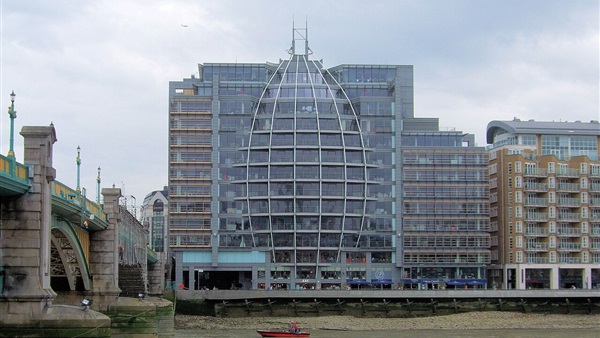
Lualua TV operates from offices in Wembley, north-west London, as a subsidiary of Shells for Media Productions Limited.
Established in opposition to Bahrain’s government, the channel began broadcasting online and via satellite in 2011, presenting itself as an alternative to Bahraini state-controlled media.
Bahrain’s government has previously accused Iran of encouraging opposition protests among the country's Shia population.
The broadcaster has subsequently faced allegations of promoting material supportive of Iran’s Islamic Revolutionary Guard Corps, a powerful military organisation that has played a prominent role in suppressing pro-democracy demonstrations inside Iran.
According to Iranian state media figures cited in the original report, more than 3,000 people have been killed during the crackdown, which has included the fatal shooting of demonstrators.
However, allegations that Lualua TV operated directly as an IRGC propaganda outlet remain distinct from Ofcom’s documented findings concerning its published content and suitability to hold a broadcasting licence.
Ofcom Defends Decision to Revoke Lualua TV Broadcasting Licence
Cristina Nicolotti Squires, Ofcom’s broadcasting and media group director, emphasised that freedom of expression remains a fundamental principle of British broadcasting regulation.
She explained that the threshold for regulatory intervention is deliberately high and that the decision followed a detailed investigation involving a wide range of evidence.
Ofcom ultimately concluded that the broadcaster was not fit and proper to retain its licence, resulting in its immediate revocation.
The regulator also confirmed that its assessment considered the company's engagement with official information requests, alongside concerns surrounding its online livestreams and social media activities.
In reaching its decision, Ofcom examined the potential consequences for both the broadcaster’s and its audiences’ rights to freedom of expression.
What the Licence Revocation Means for Lualua TV
Ofcom clarified that Lualua TV was not currently broadcasting under its licence on regulated UK television platforms.
The revocation prevents the channel from broadcasting on such platforms under the existing licence. However, the decision does not itself constitute a comprehensive ban on the broadcaster’s online activities.
The withdrawal of the Lualua TV broadcasting licence highlights the regulatory challenges associated with extremist content, online media distribution and the balance between freedom of expression and public protection.
Shells for Media Productions Limited was contacted for comment by The Telegraph, but no response was included in the original report.