



Trump’s Four Negotiation Cards Highlighted by Abdel Rahim Ali in US-Iran Talks
Thursday 30/April/2026 - 06:13 PM
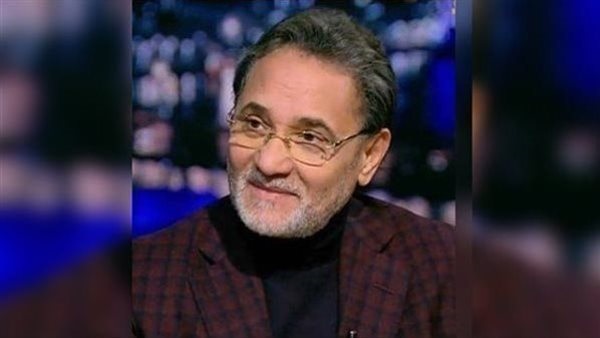
Ahmed Seif El-din
The concept of Trump’s four negotiation cards has emerged as a central theme in the evolving dynamics of US-Iran relations, according to political analyst Abdel Rahim Ali, who argues that Washington retains multiple layers of strategic leverage as it navigates renewed engagement with Tehran.
Speaking during his program Shadow Maps, Ali said that statements by Donald Trump regarding internal divisions within the Iranian government are grounded in intelligence assessments, reflecting a broader framework of pressure and negotiation.
Intelligence Insights Shape Political Narrative
Ali noted that Trump’s assertion that the Iranian government is “deeply fractured” stems from field intelligence reports. He emphasized that both the Mossad and the Central Intelligence Agency possess detailed knowledge of internal dynamics within Iran.
According to Ali, these intelligence agencies have access to highly granular information, including disputes among political and military leaders. This level of insight, he suggested, enables Washington and its allies to better assess vulnerabilities within the Iranian system and tailor their strategies accordingly.
Time as a Strategic Variable in the US-Iran Truce
Sustained Pressure Determines Advantage
Ali argued that time is not a neutral factor in the context of a US-Iranian truce. Instead, it favors the side that maintains sustained leverage, such as economic pressure, military superiority, and strong political alliances.
He explained that prolonged pressure mechanisms—including sanctions and naval restrictions—gradually erode the structural capabilities of the opposing side. In this framework, time amplifies existing asymmetries, benefiting those with enduring strategic advantages.
Structural Erosion vs. Strategic Stability
The analyst described a contrast between two opposing trajectories: one side consolidates its position through coordinated tools of influence, while the other experiences gradual institutional weakening. This imbalance, he said, is central to understanding the broader trajectory of US-Iran tensions.
Trump’s Four Negotiation Cards Explained
Ali outlined what he described as Trump’s four negotiation cards, which he believes define the current US approach to Iran:
1. Surprise
Ali suggested that unpredictability remains a key element in Washington’s strategy, allowing it to shift tactics and maintain initiative in negotiations.
2. Preparedness
He emphasized that the United States enters negotiations with a high level of readiness, backed by military capabilities and intelligence coordination.
3. Sanctions and Blockade
Economic pressure, including sanctions and maritime restrictions, forms a core pillar of US leverage. These measures, Ali noted, are designed to constrain Iran’s economic and operational capacity over time.
4. Peace Narrative and Willingness to Negotiate
Alongside pressure tactics, Ali highlighted the importance of presenting a diplomatic pathway. He said the US combines hard power with a narrative that signals openness to negotiation, creating a dual-track approach.
Intelligence Advantage and Negotiation Leverage
Ali reiterated that intelligence plays a decisive role in reinforcing Trump’s four negotiation cards, as access to internal Iranian developments provides strategic clarity. He argued that the ability of intelligence agencies to monitor political and military dynamics strengthens Washington’s negotiating position.
This advantage, he added, complements other forms of leverage, including alliances and military superiority, forming a comprehensive framework for engagement.
Ali’s analysis positions Trump’s four negotiation cards as a structured strategy that combines intelligence, economic pressure, and diplomatic signaling. Within this framework, time acts as a multiplier, reinforcing the advantages of the side capable of sustaining long-term pressure while maintaining flexibility in negotiations.
